

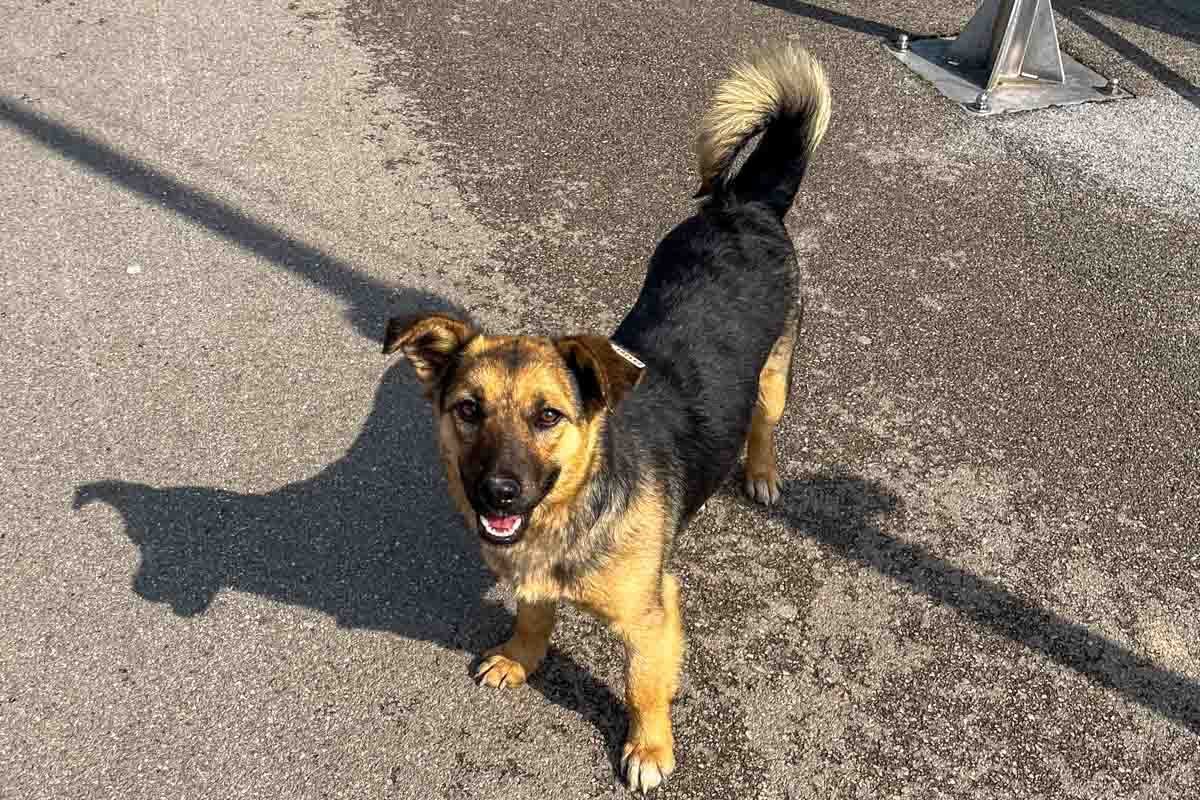
Street Dogs of Banja Luka, Bosnia and Herzegovina
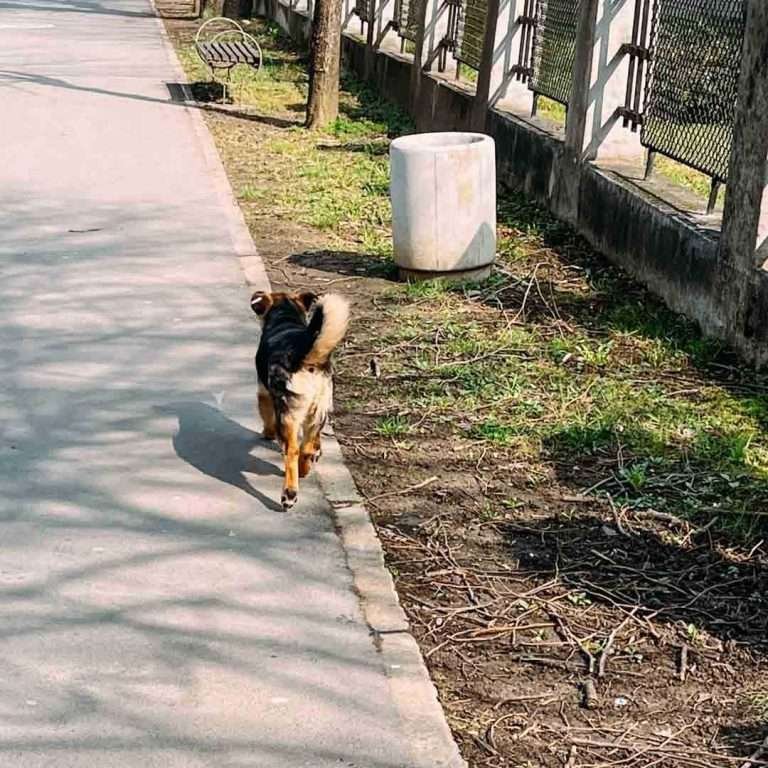
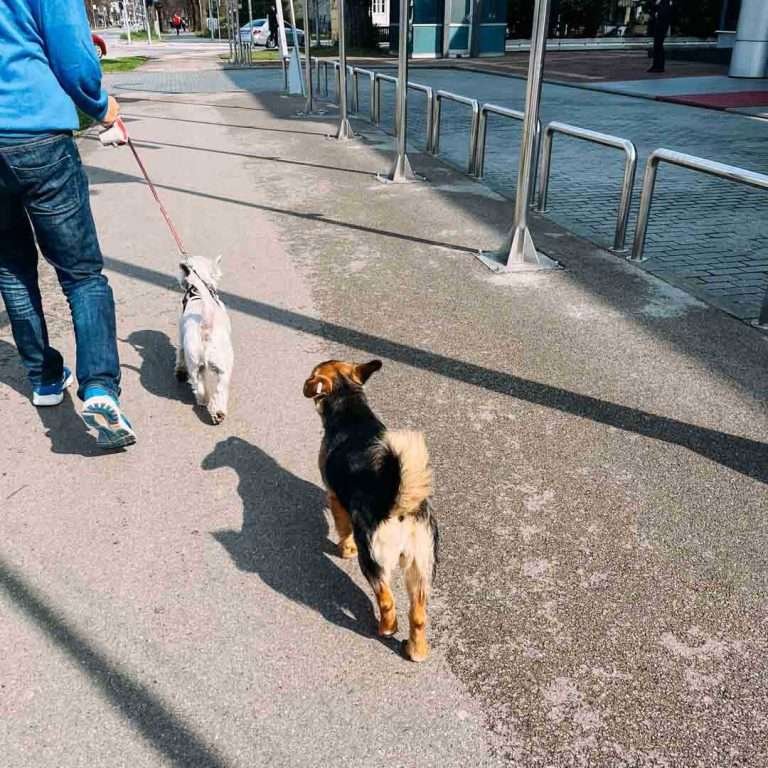
Banja Luka is the second largest city in Bosnia and Herzegovina. The city is modern and clean, but there are many stray dogs and cats in the area. We spent six weeks there and met plenty of street dogs. However, they were all super friendly and didn’t cause any trouble at all. Pedro was always very curious, and I think a bit jealous that they were able to roam the streets on their own. We walked about 10 to 15 km a day throughout different areas of the city, and we always saw the same dogs in the same area.
When we spoke with several locals in Banja Luka, they informed us that stray dogs and cats know where to find food. Many people in the area offer food and water for them outdoors. Although it is disheartening to see countless strays, it is a relief to see that they are not malnourished and that numerous people care about them.
Awareness of Street Dogs in Bosnia and Herzegovina
When we spoke with several locals in Banja Luka, they informed us that stray dogs and cats know where to find food. Many people in the area leave food and water for the stray animals outdoors. Although it is disheartening to see countless strays, it is a relief to see that they are not malnourished and that numerous people care about them.
We were also told that the attitude towards dogs as pets has changed a lot in the past 10 years. More Bosnians own dogs as pets, and walking dogs has become a social event where you can meet and greet familiar people every day during your walks.
Dogs Trust, Bosnia and Herzegovina
The Dogs Trust Foundation is a UK-based charity with a mission to assist local authorities and other organizations in establishing a humane, sustainable, and continuous framework for compliance with the State Law on Animal Protection and Welfare. The work of the Foundation also includes promoting the adoption of street dogs.
Thanks to organizations like Dogs Trust, which offer a free neutering program, stray dogs are now identified through a microchip and ear tag, making monitoring easier. The ear tag confirms that the dog is microchipped, spayed/neutered, and vaccinated, which is crucial for potential adoption or when the dog is sick/injured and requires treatment from a veterinary organization. By scanning the microchip, the vet can access all the necessary information regarding the dog’s medical history.
Dogs give us so much unconditional love. There are many stray dogs in need all over the world. If you can, please consider giving to an organization near you ❤️





2 Responses
I am trying to find who the right person is to contact at the UNDP regarding their interest in the stray dog problem. Can you suggest who I might contact. there? I am a sociologist interested in studying the impact of stray dog management projects on the wider society.
I do not know who you would write to at the UNDP but maybe you can try writing to the Dogs Trust Foundation at office@dogstrust.ba